
Most Aussie punters chase the loudest bonus on the board, but there’s a quieter way to pick your spins. I’ve spent thirty years tuning reel logic and player psychology across more than three hundred releases, and I’ve learned that a steady return-to-player figure often matters more than a flashy sign-up gift. When you line up rtp 96 percent pokies against the usual hype cycle, you’re really choosing a slower burn over a quick sugar rush. That mindset shift changes how you read paytables, session length, and what actually keeps you coming back after the arvo tea goes cold.
How the Numbers Actually Sit on the Floor

A 96 percent return figure doesn’t hand you a win; it simply describes how the maths breathes over thousands of spins. In my own design work, I’ve always treated that percentage as a pacing tool rather than a promise, much like the observation deck atop The Stratosphere – now The Strat – where the view stays steady no matter how the crowd moves below. Australian regulators require operators to publish those figures, but the local disclosure style differs from the UK and European markets, where audit labels and theoretical return tags sit front and centre on the game card. New Zealand operators lean on similar transparency, while United States jurisdictions often bury the same data deeper in the help files. The practical takeaway is that a pokies session built around a published 96 percent return rewards patience, not impulse. You start tracking hit frequency, volatility, and how the bonus trigger spreads across a session, rather than measuring success by a single hot streak.
When you’re scanning a paytable, focus on these markers:
- the base-game return and how it shifts during free spins
- the volatility label and whether it suits a shorter or longer bankroll run
- the bonus buy rules, if the operator offers them at all
- the maximum win ceiling, which tells you how far a run can stretch
- the bet range that keeps your stake aligned with your session plan https://howtowinonthepokies.com
That kind of reading takes a few spare minutes, but it saves you from mistaking a loud animation for a better edge. I’ve watched players burn through a balance chasing a cinematic win screen, when a steadier line actually stretches the entertainment. The maths doesn’t care about the soundtrack; it cares about how the reel strips are weighted and how the feature triggers land. Once you internalise that, you stop treating every spin like a referendum on luck and start treating it like a measured session.
What Keeps You Returning After the Welcome Offer
A welcome bonus gets your foot in the door, but the real test is what the operator does once the wagering clock stops ticking. I’ve designed loyalty loops that rely on repeat value rather than one-off handouts, and the best ones feel less like a Croupier dealer memorising a script and more like a steady table where the rhythm makes sense. Recurring promotions, cashback on marked sessions, and a points ladder that actually converts into usable credit are the pieces that matter. Tournaments can work too, provided the entry cost matches the prize pool and the leaderboard updates in a timeframe that feels fair. When I compare that approach to the landmark gambling character study in California Split, the throughline is clear: the players who stay engaged are the ones who understand the structure, not the ones chasing a mythical payout.
On a practical level, a solid operator will let you track your points, see cashback land without hidden clauses, and join a tournament with clear rules. Payment options should stay straightforward, with AUD as the working currency so you’re not watching exchange spreads eat into your balance. Registration needs to be quick but still ask for the right identity checks, because Australian law doesn’t treat offshore play as licensed or regulated here, and any claim otherwise is just noise. Mobile play should hold the same game list and bonus terms as the desktop version, not a stripped-down shadow menu. Support that answers in a reasonable window, rather than a bot loop, keeps a session from turning into a frustration spiral. None of that guarantees a win, but it does give you a cleaner reason to log back in next week instead of writing the site off after one long night.
How the Local Scene Shapes Your Choices
Queensland rooms and regional pubs have their own rhythm, and a lot of locals treat a pokies session the same way they’d treat a long arvo at the races – measured, social, and willing to walk away when the line runs dry. I’ve seen that regional Queensland mindset pay off in session control, because players who know their local pace tend to pick bet sizes that fit a quiet night rather than a marathon. That’s where the 96 percent return framing earns its keep: it gives you a baseline for how long a balance might reasonably stretch, without pretending the reels owe you anything. Compare that with markets where operators push high-volatility titles as the default, and you start to see why a calmer return profile can feel like a better fit for a regular session.
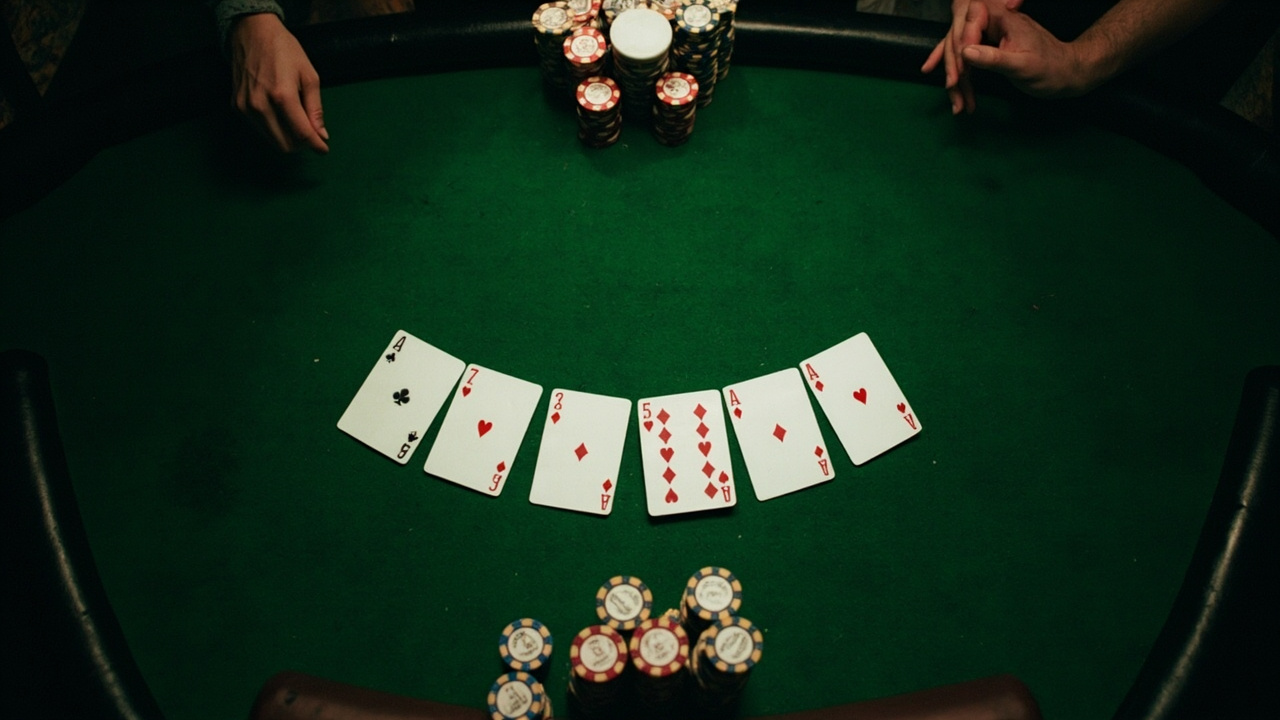
The practical side is simple. You read the published return, match it to a volatility that suits your bankroll, and treat the bonus terms as a side note rather than the main event. If a site runs a loyalty points drop, a weekly cashback window, or a tournament with a clear entry cost, you judge it on whether it adds repeat value or just adds another set of rules to memorise. I’ve always judged a platform by how it treats the second and third visit, because that’s where the real design shows up. You don’t need a flashy promise to keep playing; you need a structure that makes sense when the room gets busy and the balance starts doing its own thing.